Table of Contents
- – ADHD Testing: Beyond Symptom Checklists
- – Autism Range Examination: Acknowledging Varied...
- – Discovering Handicap Screening: Identifying Sp...
- – Child Evaluation: Developmental Factors To Con...
- – Grown-up Assessment: Recognizing Late-Diagnose...
- – Neurodivergent-Affirming Analysis: Moving the ...
- – Nary Sao
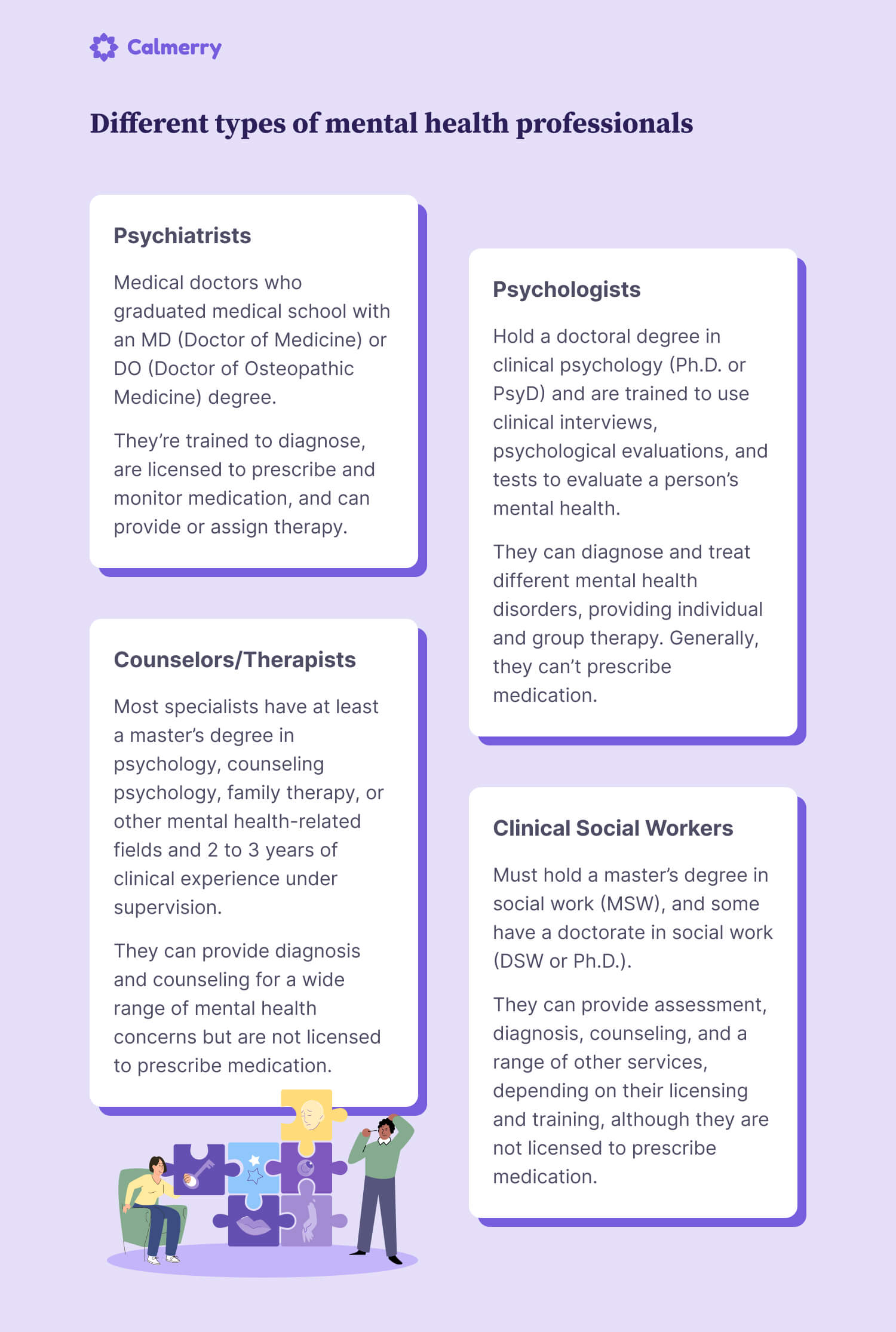
Emotional assessment functions as an essential gateway to recognizing cognitive differences, finding out patterns, and neurodevelopmental conditions that shape how individuals navigate the globe. Whether looking for quality regarding ADHD signs and symptoms, autism spectrum characteristics, or finding out handicaps, detailed analysis gives the analysis structure needed for appropriate interventions, holiday accommodations, and self-understanding. Bridges of the Mind uses neurodivergent-affirming analyses that focus on understanding private cognitive profiles over pathologizing differences.
ADHD Testing: Beyond Symptom Checklists
ADHD evaluation has advanced dramatically from straightforward behavioral checklists to thorough assessments that examine executive performance, focus guideline, and neuropsychological patterns. Quality ADHD testing integrates numerous data sources consisting of organized medical interviews, standard ranking scales, constant performance tests, and frequently neuropsychological steps of functioning memory and processing rate. Bridges of the Mind comes close to ADHD examination via this diverse lens, recognizing that precise diagnosis calls for understanding just how focus distinctions manifest throughout numerous contexts and life domains.
The analysis process normally starts with a detailed developmental history exploring symptom start, duration, and practical effect. ADHD signs and symptoms have to exist prior to age twelve and create considerable problems in multiple setups to meet diagnostic standards. Many people-- especially females and high-achieving grownups-- create advanced offsetting strategies that mask underlying attention problems up until demands go beyond coping capacity. Comprehensive evaluation determines these concealed presentations through performance-based testing that discloses exec working challenges not obvious in self-report alone.
Constant efficiency tests like the TOVA or Conners CPT determine sustained interest, impulse control, and feedback irregularity under regulated problems. These digital assessments give unbiased data regarding interest patterns that match subjective sign reports. When integrated with actions of functioning memory, processing speed, and cognitive versatility, critics obtain insight into the certain executive functioning profile underlying interest troubles. Bridges of the Mind uses this multi-method technique to separate ADHD from anxiousness, anxiety, or various other conditions that generate attention-related symptoms.
Autism Range Examination: Acknowledging Varied Discussions
Autism evaluation requires specific know-how offered the spectrum nature of the condition and historic biases that resulted in diagnostic criteria heavily heavy toward male discussion patterns. Comprehensive autism testing examines social communication differences, sensory handling patterns, repetitive actions or restricted interests, and the cognitive handling style usually defined as detail-focused or pattern-oriented thinking. Bridges of the Mind provides assessments informed by present understanding of autism as a neurological distinction instead of a disorder requiring remediation.
The gold-standard autism assessment tools consist of the ADOS-2 (Autism Diagnostic Observation Arrange) and ADI-R (Autism Analysis Interview-Revised), however many medical professionals include added procedures dealing with sensory handling, alexithymia, and masking habits typical in autistic people who discovered to mask their natural interaction design. The evaluation procedure explores developmental background with particular interest to early social communication patterns, sensory experiences, and the presence of intense rate of interests or repetitive habits.
Adult autism assessment provides unique challenges as people commonly develop innovative masking approaches that obscure diagnostic functions during short clinical encounters. Comprehensive evaluation for adults consists of analysis of autistic burnout, co-occurring problems like anxiety or depression, and the built up influence of navigating a neurotypical globe without ideal assistance or self-understanding. Bridges of the Mind recognizes that late-identified autism often reflects assessment voids rather than late-onset signs and symptoms, particularly for females, non-binary people, and individuals of shade traditionally excluded from autism research study and diagnosis.
Discovering Handicap Screening: Identifying Specific Learning Differences
Learning impairment evaluation determines details cognitive processing distinctions that hinder scholastic skill purchase despite ample intelligence and instructional possibility. Comprehensive examination examines reading, writing, mathematics, and sometimes dental language abilities while examining underlying cognitive procedures including phonological handling, orthographic handling, functioning memory, and handling rate. Bridges of the Mind's discovering impairment analyses offer thorough cognitive profiles that inform educational treatments and lodging suggestions.
The assessment process generally includes intellectual analysis utilizing steps like the WAIS or WISC along with success screening checking out academic ability development across domain names. Substantial inconsistencies between cognitive ability and scholastic success suggest specific finding out specials needs affecting particular ability locations. Contemporary diagnostic models increasingly recognize that finding out specials needs can occur without ability-achievement discrepancies, specifically when offsetting approaches mask underlying handling difficulties.
Dyslexia evaluation focuses on phonological understanding, quick automatized naming, orthographic handling, and reviewing fluency procedures. Dyscalculia evaluation takes a look at number sense, mathematical thinking, and calculation fluency together with visual-spatial processing abilities. Dysgraphia examination addresses fine motor skills, orthographic coding, and composed expression fluency. Bridges of the Mind supplies set apart analysis methods attending to each learning handicap type while identifying that individuals frequently present with co-occurring discovering distinctions needing detailed evaluation throughout several domains.
Child Evaluation: Developmental Factors To Consider in Analysis

Emotional evaluation of kids requires specialized competence in developmental psychology, child engagement strategies, and age-appropriate evaluation steps. Youngster evaluations have to represent developmental variability, the influence of family members and instructional environments, and the child's capability to participate meaningfully in testing tasks. Bridges of the Mind approaches child analysis with developmentally delicate methods that stabilize standardization demands with the versatility essential for legitimate outcomes with young or diverse learners.
Play-based assessment methods verify especially beneficial for children who lack the continual interest or verbal abilities required for typical screening styles. Empirical analysis throughout structured play activities discloses cognitive capacities, social interaction patterns, and emotional law abilities that notify diagnostic impressions. Parent and teacher rating ranges give crucial details concerning the youngster's working across settings, though evaluators need to analyze these subjective reports within the more comprehensive assessment context.
School-based useful disability represents a critical consideration in kid evaluation. Examinations examine not only whether analysis standards are fulfilled yet also how cognitive distinctions impact educational progression, peer connections, and the child's developing feeling of capability. Bridges of the Mind offers assessment records that translate diagnostic findings into practical recommendations for college lodgings, healing treatments, and parenting techniques that support the child's developing trajectory.
Grown-up Assessment: Recognizing Late-Diagnosed Neurodivergence
Adult psychological assessment addresses the expanding acknowledgment that numerous neurodivergent individuals get to adulthood without proper diagnosis or understanding of their cognitive differences. Adults seeking analysis commonly existing after years of inexplicable have problem with work, partnerships, or day-to-day functioning that triggered investigation into possible hidden problems. Bridges of the Mind focuses on adult assessment that contextualizes current functioning within developing background and gathered life experiences.
The grown-up assessment process have to disentangle neurodevelopmental conditions from obtained psychological wellness conditions, clinical problems, or regular cognitive variants. ADHD and autism evaluations for adults call for careful developing history gathering, typically entailing childhood years progress report, moms and dad interviews when feasible, and thorough exploration of offsetting techniques developed across the life expectancy. Adults with undiagnosed learning disabilities might offer with job performance problems, avoidance of reading or composing jobs, or anxiety around scholastic situations that covers up underlying handling distinctions.
Expert and personal problems documents comes to be particularly vital for grownups seeking work environment holiday accommodations under the Americans with Disabilities Act or academic accommodations in college settings. Comprehensive evaluation records give the in-depth analysis rationale and practical influence documentation required for safeguarding suitable assistances. Bridges of the Mind understands the practical effects of adult assessment and structures assessment reports to attend to holiday accommodation and intervention planning alongside analysis information.
Neurodivergent-Affirming Analysis: Moving the Paradigm
Neurodivergent-affirming evaluation stands for a basic shift from deficit-focused analysis toward understanding cognitive differences as all-natural variations in human neurology. This strategy recognizes that ADHD, autism, and discovering disabilities involve both obstacles and toughness, with difficulties often mirroring inadequate environmental fit as opposed to fundamental pathology. Bridges of the Mind accepts this attesting perspective while supplying extensive diagnostic analysis that opens up doors to support services and self-understanding.
The neurodiversity paradigm reframes problems typically deemed conditions as neurological differences with associated characteristics rather than symptoms requiring removal. Attesting analysis discovers exactly how individuals experience their neurocognitive differences, what sustains enhance working, and exactly how to build on existing toughness while addressing real obstacles. This strengths-based technique shows especially important for people who internalized pity concerning their differences before comprehending their neurological basis.
Nary Sao
BOTM was great when it came to reaching out to me as well with setting up the appointment. They even kept their word and notified me of an earlier appointment that came up which I was highly grateful for. Dr. Isha Hammad was amazing. She was very professional, very respectful and very nice. She did an amazing job with my daughter as well as with myself, when it was my turn to answer questions. She answered all my questions and concerns and made us feel very comfortable. THANK YOU DR HAMMAD! I’m so happy I didn’t listen to the reviews! My personal experience with them was great!
Language selections within analysis records show this verifying approach-- describing autistic traits as opposed to autism symptoms, checking out executive functioning distinctions instead than shortages, and acknowledging the credibility of neurodivergent experiences. Bridges of the Mind balances the clinical design language occasionally needed for insurance protection or solution eligibility with person-first or identity-first language reflecting private choices and modern understanding of neurodiversity as beneficial human variant needing holiday accommodation instead than remediation.

Table of Contents
- – ADHD Testing: Beyond Symptom Checklists
- – Autism Range Examination: Acknowledging Varied...
- – Discovering Handicap Screening: Identifying Sp...
- – Child Evaluation: Developmental Factors To Con...
- – Grown-up Assessment: Recognizing Late-Diagnose...
- – Neurodivergent-Affirming Analysis: Moving the ...
- – Nary Sao
Latest Posts
Ending Therapy in Psychodynamic Therapy for Healthy Closure
The Intersection Between Ambition and Inner Turmoil
Role of Early Attachment Issues on Eating Patterns
Navigation
Latest Posts
Ending Therapy in Psychodynamic Therapy for Healthy Closure
The Intersection Between Ambition and Inner Turmoil
Role of Early Attachment Issues on Eating Patterns