Table of Contents
- – Recognizing High-Achiever Therapy: Why Success...
- – EMDR Therapy: Re-wiring Injury Feedbacks in Hi...
- – Internal Family Members Equipments: Comprehend...
- – Facility Injury and PTSD in Healthcare Profess...
- – Anxiousness and Anxiety: Beyond Surface-Level ...
- – Choosing a Therapist That Recognizes Success a...
- – Moving on: From High-Achieving to Whole
The stress to succeed never ever quits when you're a high achiever. Health care specialists, executives, and enthusiastic people often locate themselves dealing with stress and anxiety, anxiety, and exhaustion while keeping the appearance of having all of it with each other. When standard talk treatment feels insufficient, specific modalities like EMDR treatment and Interior Household Equipment (IFS) components function offer powerful alternatives for resolving intricate injury and PTSD that many high-performing people lug underneath their sleek exteriors.
Recognizing High-Achiever Therapy: Why Success Does Not Avoid Experiencing
High achievers deal with unique healing difficulties that general counseling often misses out on. The perfectionism that drives professional success can mask deep-seated trauma, stress and anxiety, and anxiety. Health care specialists specifically deal with this paradox-- trained to aid others while disregarding their own psychological health demands. Specialized specialists who recognize the high-achiever frame of mind identify that success and suffering aren't equally unique, and that attending to underlying injury calls for even more than surface-level coping approaches.
Robyn Sevigny's therapeutic approach exemplifies this understanding. Functioning especially with health care experts and high-performing individuals, her method acknowledges that achieving occupation milestones does not deal with youth wounds, complex injury, or PTSD symptoms that show up as perfectionism, workaholism, and chronic anxiousness. This recognition forms the structure for effective trauma-focused treatment that surpasses symptom administration.
IFS / Parts Work TherapyEMDR Therapy: Re-wiring Injury Feedbacks in High-Performance Minds
Eye Motion Desensitization and Reprocessing (EMDR) has arised as one of one of the most efficient evidence-based treatments for PTSD and complicated injury. Unlike typical talk therapy, EMDR works by assisting the brain reprocess stressful memories through bilateral stimulation-- typically directed eye motions, tapping, or auditory tones. This neurobiological approach enables individuals to refine traumatic experiences without investing years verbally reworking painful occasions.
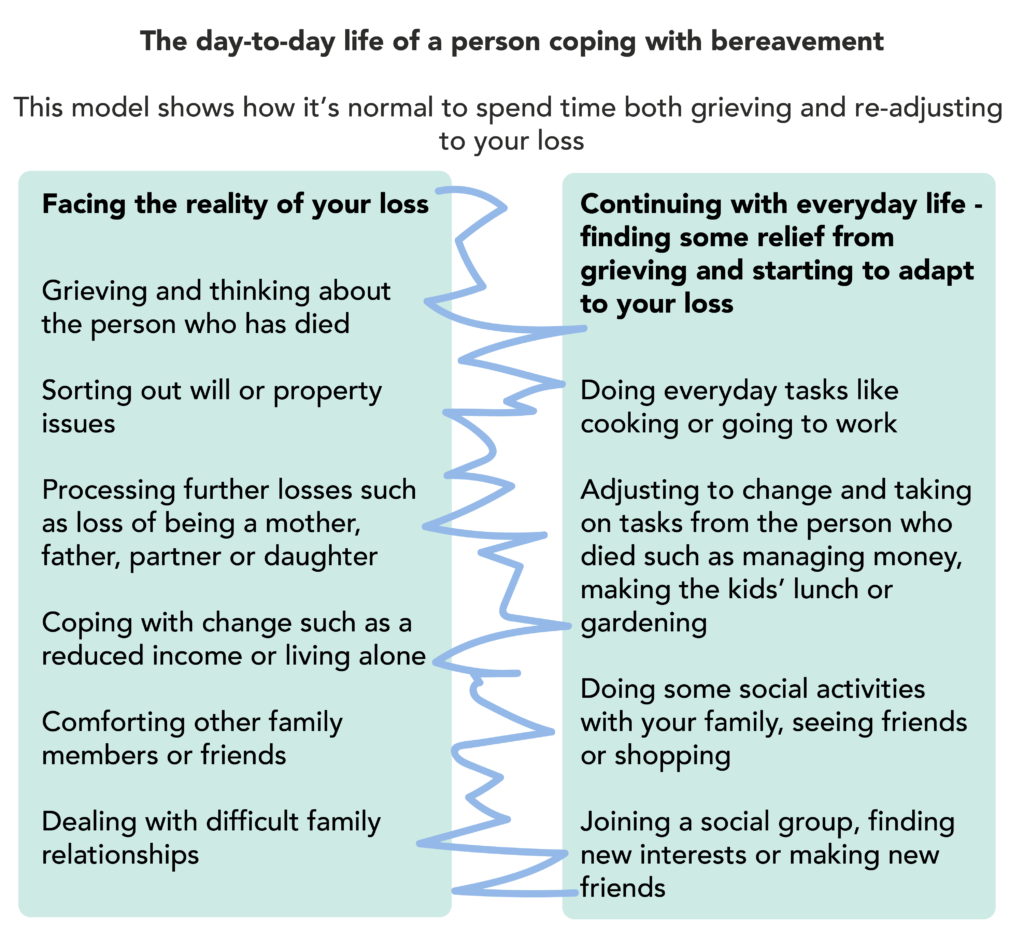
For health care professionals and high up-and-comers, EMDR supplies a number of engaging benefits. Sessions are organized and goal-oriented, valuing the restricted time several experts have for therapy. The technique doesn't need substantial chatting about injury information, which interest people who've invested years intellectualizing their issues without resolution. Research reveals EMDR can generate substantial cause less sessions than traditional techniques, making it useful for busy professionals seeking reliable healing.
The procedure targets certain traumatic memories and unfavorable ideas while reinforcing positive cognitions. A medical professional fighting with clinical institution injury could resolve memories of embarrassment during training while constructing authentic self-worth different from accomplishment. An executive could reprocess childhood experiences of psychological disregard that drive compulsive overwork. EMDR allows these experts to keep their proficiency while launching the trauma-driven actions that sustain burnout.
Internal Family Members Equipments: Comprehending Your Internal High-Achiever Components
Interior Household Solution (IFS) treatment offers a framework for comprehending the various components of ourselves that arise in reaction to life experiences. As opposed to watching the subconscious as a linked whole, IFS acknowledges we all have numerous parts-- some safety, some wounded, some aiming. For high up-and-comers, this version resonates deeply due to the fact that it clarifies the internal problem between the driven component pushing for more success and the tired component asking for remainder.
IFS determines three kinds of components: supervisors (that try to regulate our setting to avoid discomfort), firemens (that react to distress with numbing habits), and expatriations (wounded parts carrying youth trauma and pity) High-achiever therapy making use of IFS aids clients acknowledge how their perfectionist supervisor components established to safeguard at risk banished components from experiencing denial or insufficiency. Recognizing this interior system produces empathy for actions formerly deemed personality flaws.
Medical care experts typically find with IFS work that their caretaker components-- frequently addressing others' needs-- created to earn love in childhood. Their workaholic parts may be protecting against sensations of insignificance. By accessing and recovering these ousted get rid of the therapist's assistance, the severe protective actions normally soften. The ruthless drive to attain transforms into healthy and balanced aspiration without the atmosphere of pity and fear.
Facility Injury and PTSD in Healthcare Professionals
Medical care employees face distinct trauma direct exposure that substances any type of pre-existing facility trauma from childhood years or earlier life experiences. Repeated direct exposure to client suffering, medical emergencies, and systemic medical care failures creates layers of traumatic stress. When incorporated with the perfectionism common amongst physician, this produces an excellent tornado for PTSD symptoms consisting of hypervigilance, intrusive thoughts, emotional numbing, and evasion behaviors.
Complex injury differs from single-incident PTSD. It establishes through repeated traumatic experiences, frequently in childhood years, developing pervasive results on self-concept, psychological law, and connection patterns. Several high achievers unwittingly carry complex trauma that materializes as impostor syndrome, trouble accepting appreciation, connection struggles, and a failure to rest without sense of guilt. Conventional treatment often addresses surface symptoms while the underlying injury architecture continues to be undamaged.
Specialized trauma treatment for health care professionals addresses both job-related trauma and developing injuries. A therapist experienced with medical experts understands the culture of stoicism, the stress to show up foolproof, and the moral complexities of dealing with coworkers. This social expertise makes restorative work a lot more reliable due to the fact that clients don't need to discuss the context of their battles.
Complex PTSDAnxiousness and Anxiety: Beyond Surface-Level Symptoms
High up-and-comers frequently present with anxiousness and depression that look various from book presentations. Instead of complete lack of ability to function, these people preserve high efficiency while experiencing internal suffering. They meet target dates while battling invasive thoughts, lead groups while feeling psychologically separated, get honors while thinking they're frauds. This high-functioning anxiety and anxiety requires therapeutic methods that address source rather than simply educating coping abilities.
EMDR and IFS treatment succeed at dealing with stress and anxiety and clinical depression rooted in trauma. As opposed to managing signs indefinitely, these methods intend to resolve the underlying terrible product fueling emotional distress. When a person processes memories of childhood years criticism via EMDR, their anxiousness about performance usually naturally decreases. When IFS work aids a person befriend their nervous components as opposed to battling them, the intensity of stress and anxiety normally softens.
Therapists specializing in high-achiever populaces understand that suggesting reflection or work-life equilibrium to a person with complex injury often fizzles. These people require methods that attend to why relaxation really feels threatening, why success never ever feels sufficient, and why success hasn't brought the tranquility they expected. Trauma-focused therapy supplies these answers and pathways to real healing.
Choosing a Therapist That Recognizes Success and Injury
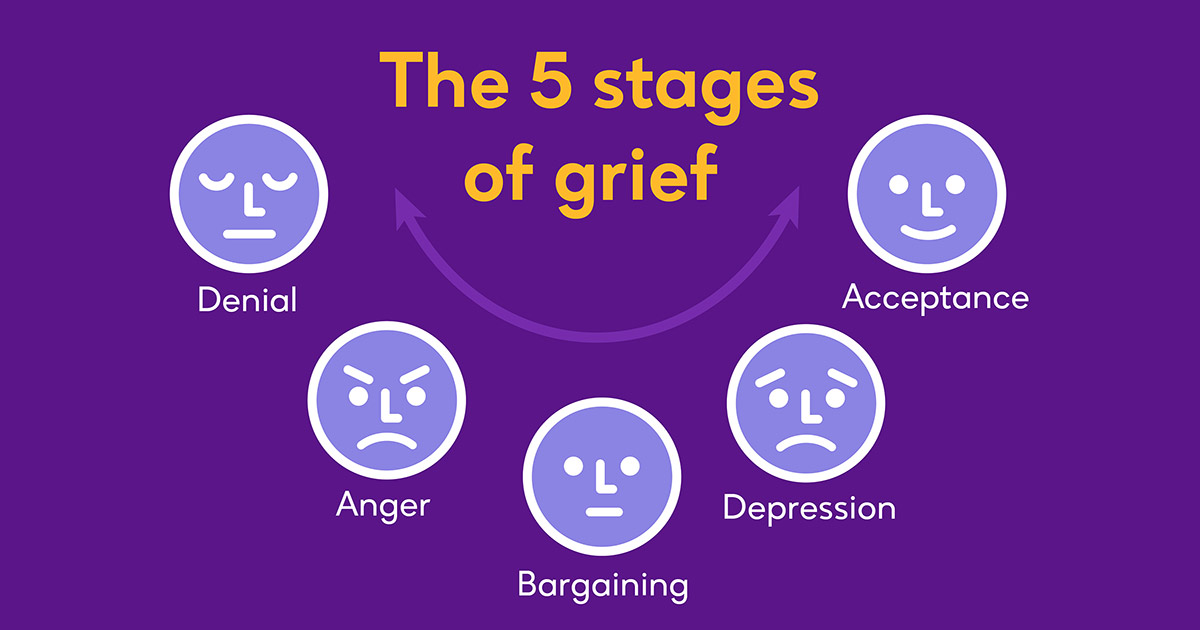
Finding the right specialist for high-achiever treatment needs more than credentials. While EMDR certification and IFS training issue, equally crucial is the therapist's understanding of high-performance society and injury's role in driving success. A therapist that works specifically with healthcare experts and enthusiastic people brings understanding of the one-of-a-kind pressures, honest issues, and identity obstacles these populaces deal with.
When examining prospective specialists, consider their method to success and aspiration. Do they pathologize accomplishment or comprehend its intricacy? Can they hold space for both your achievements and your suffering without minimizing either? Do they have experience with complicated injury presentations in high-functioning people? These questions assist determine therapists that can support recovery without taking down the healthy and balanced elements of passion.
Robyn Sevigny's focus on medical care professionals and high up-and-comers, combined with specialized training in EMDR and IFS, stands for the kind of healing suit that creates transformative results. Therapists operating in this niche understand that recovery does not imply lowering criteria-- it means releasing trauma-driven perfectionism while maintaining authentic excellence.
Moving on: From High-Achieving to Whole
The journey from high-achieving yet suffering to high-achieving and entire calls for specialized restorative assistance. EMDR therapy and IFS components work deal paths to deal with PTSD, complicated injury, anxiety, and depression at their roots as opposed to managing signs indefinitely. For medical care specialists and various other high performers, these modalities respect both the moment constraints of requiring professions and the depth of healing needed to transform lives.
Seeking treatment doesn't suggest something is incorrect with you-- it implies you're all set to resolve what's been driving you past healthy and balanced restrictions. Whether you're a doctor worn down by years of self-sacrifice, an exec recognizing anxiety's toll, or any type of high achiever prepared to recover complex injury, specialized treatment uses expect authentic modification. The exact same resolution that built your occupation can sustain your healing trip, specifically with a specialist who understands both success and trauma recovery.

Table of Contents
- – Recognizing High-Achiever Therapy: Why Success...
- – EMDR Therapy: Re-wiring Injury Feedbacks in Hi...
- – Internal Family Members Equipments: Comprehend...
- – Facility Injury and PTSD in Healthcare Profess...
- – Anxiousness and Anxiety: Beyond Surface-Level ...
- – Choosing a Therapist That Recognizes Success a...
- – Moving on: From High-Achieving to Whole
Latest Posts
What is EMDR Treatment
Family Interactions Established Over Years
Time Management Therapy with Autism
Navigation
Latest Posts
What is EMDR Treatment
Family Interactions Established Over Years
Time Management Therapy with Autism